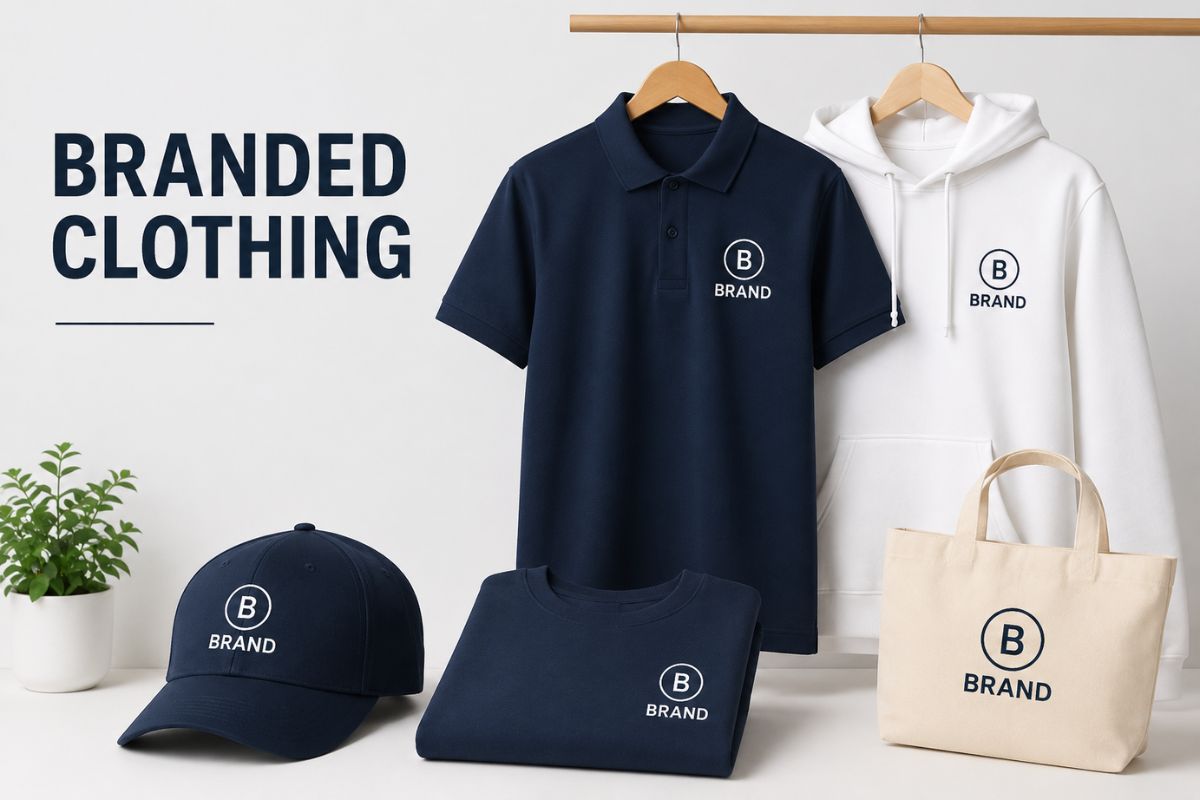
Starting a Branded Clothing business is a great way to turn creative ideas into real products. You can sell shirts, hoodies, jackets, caps, and other items with your own name or logo. Many new businesses in the USA begin with Custom Branded Apparel because it helps them build a clear identity. SharzPro shares this guide to help beginners understand the main steps of creating, promoting, and growing an apparel brand.
Why Start a Branded Clothing Business?
A Branded Clothing business allows you to connect with customers through style, comfort, and useful designs. People often choose clothing that represents their interests, workplace, lifestyle, or community. You can offer Custom Logo Apparel for businesses, events, sports groups, creators, or everyday buyers. The business can start with a small collection and grow as more people learn about your brand.
Choose a Clear Brand Idea
Before creating Branded Clothing, decide what your business will represent. Your brand should have a clear purpose and a specific audience. You may focus on streetwear, fitness clothing, office wear, uniforms, or casual fashion. A clear idea also makes it easier to create Personalized Business Clothing that matches the needs of companies, workers, and professional teams.
Choose a simple brand name that customers can remember. Your logo, colors, and message should work well together. These elements should also look clear on Logo Printed Clothing, websites, packaging, and social media pages. Avoid using a design that is too detailed. Simple branding is easier to recognize and can look more professional on different products.
Select High-Quality Clothing Products
Product quality has a major effect on the success of Branded Clothing. Customers expect clothing to feel comfortable, fit well, and remain strong after washing. Before selling any item, check its fabric, stitching, color, weight, and size options. High-quality Custom Branded Apparel can help your business receive better reviews and repeat orders.
Order product samples before launching your collection. Wear and wash each sample to see how it performs. You should also check whether the fabric works well with printing or embroidery. Strong materials are especially important for Branded Workwear, because employees may wear these items for many hours every day.
Create Professional Designs
Good designs can make Branded Clothing more attractive and easier to sell. Start with artwork that suits your audience and looks clear from a distance. You can use a logo, short message, simple illustration, or creative pattern. When making Custom Logo Apparel, ensure the design size and placement match the shape of each product.
Think about where the design will appear. Common choices include the chest, back, sleeve, or pocket area. Large designs can work well on casual shirts and hoodies, while smaller logos may suit Corporate Branded Clothing. Always review a digital preview before approving production. Check the spelling, colors, design size, and final position carefully.
Choose Printing or Embroidery
Different production methods give Branded Clothing a different look and feel. Screen printing is often suitable for large orders with simple colors. Direct-to-garment printing works well for detailed and colorful artwork. Heat transfer can be useful for names and numbers. Logo Printed Clothing can use any of these methods, depending on the design and material.
Embroidery is another popular option for polos, jackets, caps, and uniforms. It often gives clothing a clean and professional appearance. Embroidery is a strong choice for Branded Staff Uniforms because the thread can remain clear after regular use. Ask your supplier which method is best for your design, order size, product type, and budget.
Build a Useful Product Collection
Your first Branded Clothing collection does not need many products. Start with a few popular items, such as T-shirts, hoodies, caps, and polo shirts. This approach makes it easier to control quality and manage costs. You can later add Promotional Clothing, jackets, bags, uniforms, or seasonal items based on customer demand.
Offer useful colors and a wide range of sizes. Product descriptions should include fabric details, measurements, fit, care instructions, and design information. Businesses may also need Corporate Branded Clothing in several sizes for their employees. Clear product details reduce confusion and help customers choose the correct item.
Set Fair and Profitable Prices
Your Branded Clothing prices should cover every business cost. Calculate the price of the blank item, printing, embroidery, packaging, shipping, platform fees, advertising, and taxes. Add a fair profit after including all expenses. When pricing Personalized Business Clothing, remember that custom names or designs may require extra work.
Do not set very low prices only to compete with other sellers. Cheap prices can make it difficult to maintain quality or grow your business. Customers may pay more for strong products, professional service, and attractive Branded Workwear. You can also offer discounts for larger orders without reducing your profit too much.
Promote Your Apparel Brand Online
Effective promotion helps customers discover your Branded Clothing products. Create social media pages and post clear photos, short videos, design stories, and customer reviews. Show real people wearing your products. You can also share behind-the-scenes clips of Custom Branded Apparel being designed, printed, packed, or prepared for delivery.
Use helpful keywords in product titles and descriptions, but keep the writing natural. Build a simple website where customers can learn about your brand and place orders. SharzPro recommends creating useful content about fashion, uniforms, business branding, and Promotional Clothing. This content can improve search visibility and bring interested visitors to your store.
Sell to Businesses and Organizations
Business customers can provide larger and repeat orders for Branded Clothing. Contact restaurants, construction companies, offices, schools, gyms, charities, and local clubs. Many organizations need Branded Staff Uniforms to give their teams a clean and consistent appearance.
Prepare a simple portfolio showing your best work. Include examples of shirts, jackets, polos, caps, and Corporate Branded Clothing. Explain your prices, minimum order size, production time, and available design options. Good communication is important because business customers often have strict budgets and deadlines.
Provide Strong Customer Service
Good service can help your Branded Clothing business build trust. Answer questions quickly and give clear information about sizes, prices, delivery, and customization. When selling Custom Logo Apparel, send customers a final design proof before starting production. This allows them to check every important detail.
Handle mistakes and complaints in a calm and fair way. Keep customers updated if production or shipping is delayed. You should also save approved designs for future orders. This makes repeat orders for Personalized Business Clothing faster and easier. Happy customers may leave positive reviews and recommend your business to others.
Conclusion
Building a successful Branded Clothing business requires a clear idea, strong products, professional designs, fair pricing, and regular promotion. Start with a small collection and test every item before selling it. You can offer Branded Workwear, uniforms, promotional items, and casual products to different customers across the USA. With useful guidance from SharzPro, careful planning, and good customer service, your apparel brand can grow steadily and build long-term trust.
FAQs
1. What is branded clothing?
Branded Clothing includes shirts, hoodies, jackets, uniforms, or caps that display a business name, logo, message, or custom design. It may include Logo Printed Clothing for employees, customers, events, or retail buyers.
2. How can I start an apparel brand with a small budget?
You can begin your Branded Clothing business with only a few products and use a print-on-demand supplier. Start with Custom Branded Apparel such as T-shirts or hoodies, test customer interest, and add more items after receiving sales.
3. What clothing is best for company employees?
The right Branded Clothing depends on the workplace. Offices may choose polos or shirts, while outdoor teams may need jackets or safety items. Durable Branded Staff Uniforms should be comfortable, practical, and suitable for daily work.
4. Is embroidery better than printing?
Both methods work well for Branded Clothing, but they offer different results. Embroidery is often suitable for professional uniforms, polos, caps, and Corporate Branded Clothing, while printing is better for colorful artwork and larger designs.